STOCK LEVEL: LOW

LOWEST PRICE EVER

Advertorial
What Your Surgeon Won't Tell You Before Booking Your Knee Replacement — And Why 1 in 4 Patients Are Still in Pain After the Operation

Orthopedic Rehabilitation Specialist Reveals: The 3 Root Causes Surgery Doesn't Address — and the 15-Minute Home Protocol That’s Helping Patients Over 55 Avoid the Operating Table
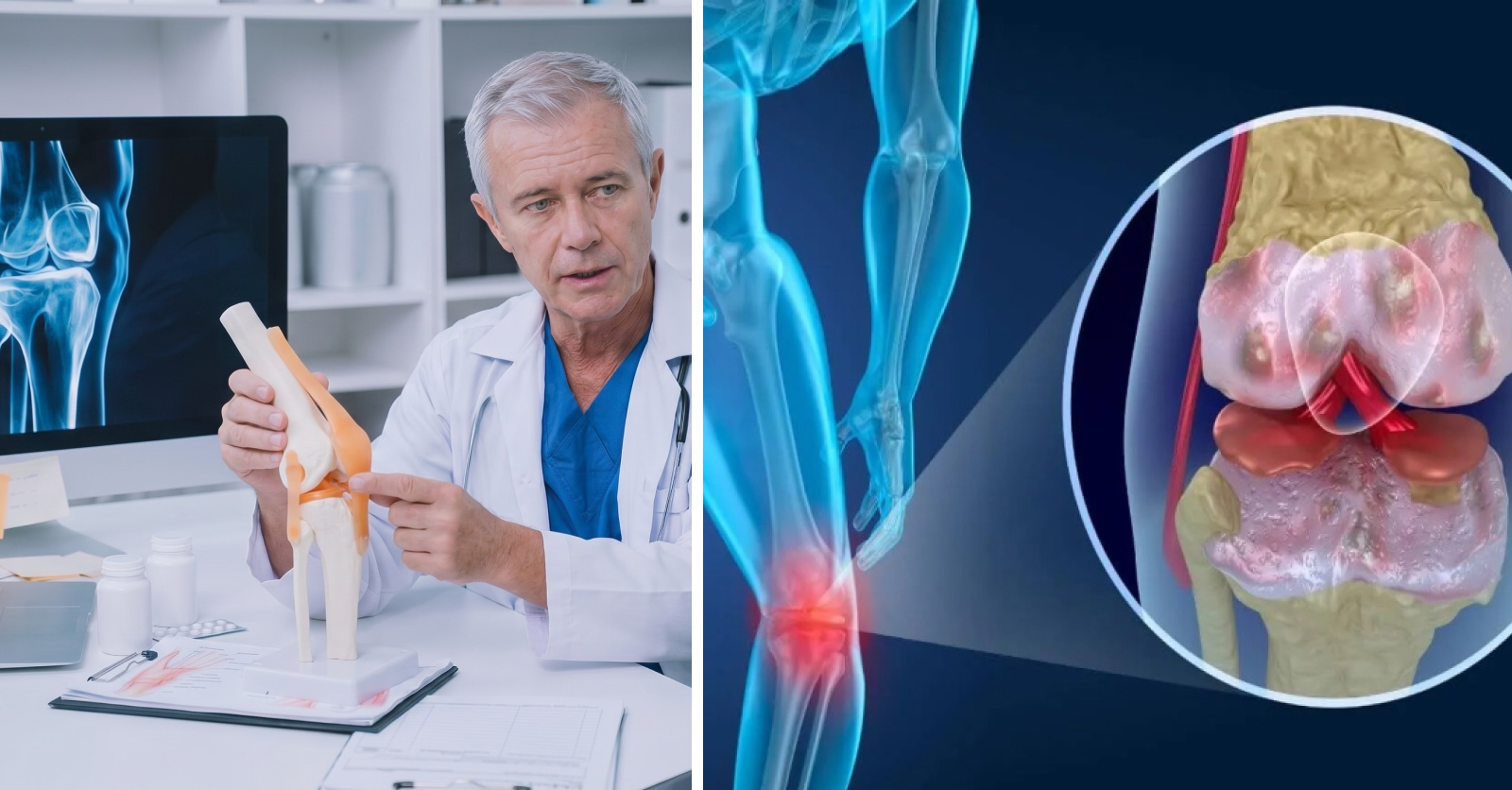
If your surgeon has recently told you that knee replacement is your “best option” — I want you to know something first.
Not because the surgery is wrong. For a severely deteriorated joint with no functional cartilage remaining, it’s often the right call. But there’s a conversation that should happen before that decision — and most patients never have it.
My name is Dr. Marcus Webb. I’m an orthopedic rehabilitation specialist. In 12 years of clinical practice, I’ve treated over 2,000 knee patients. And the number I keep returning to is this: approximately 1 in 4 knee replacement patients report persistent pain or functional limitations after the procedure.* Not complications. Not surgical errors. Just — still in pain.
That number has never surprised me. But it should tell you something important about what surgery can and cannot do.
The Thing Most Surgeons Won’t Say Out Loud
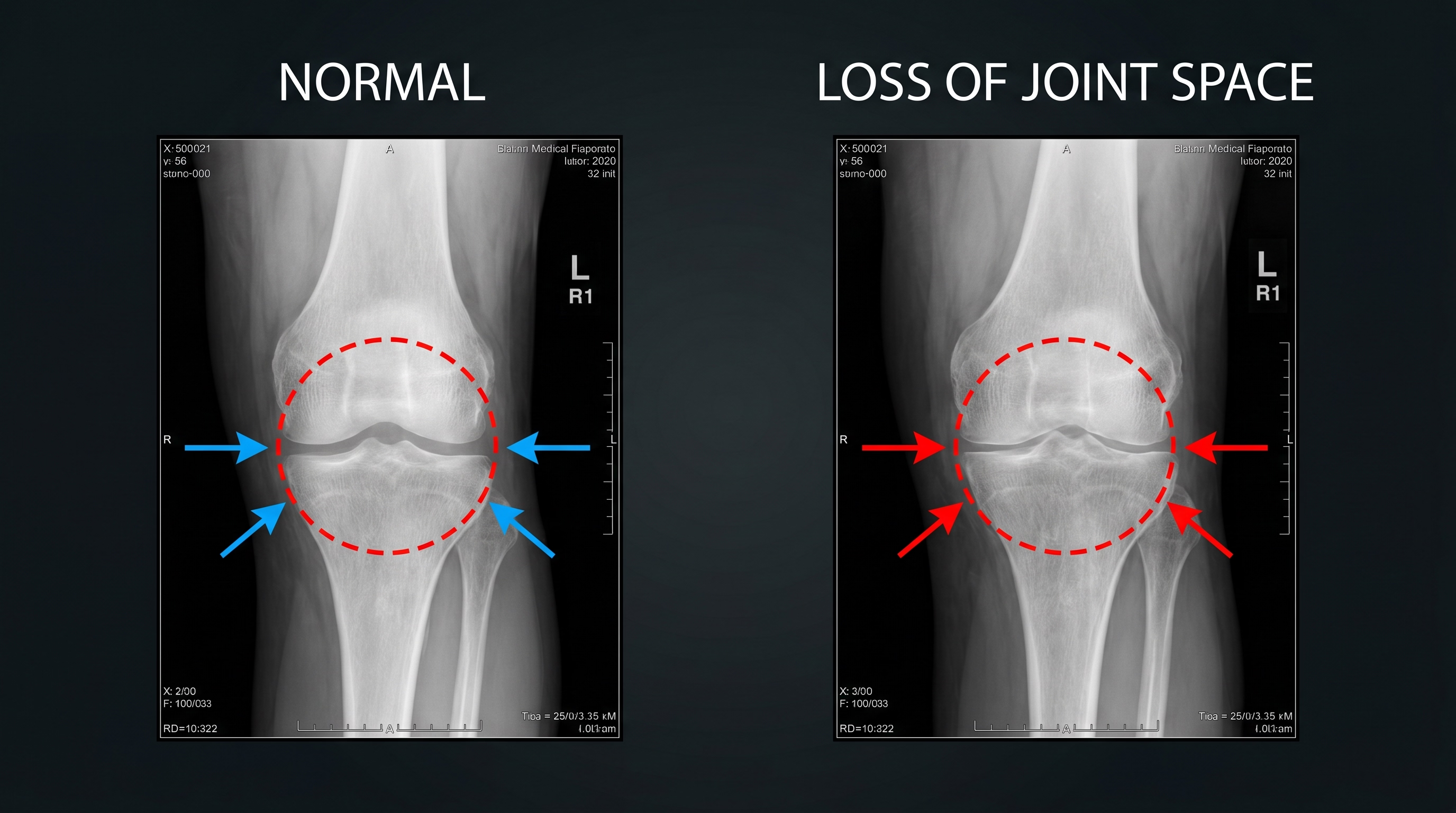
Knee replacement surgery replaces the joint. That is precisely and only what it does. It does not, by design, address the tissue surrounding the joint, the muscles supporting it, or the nervous system signals running through it.
For a patient whose pain is caused entirely by a destroyed joint, that’s sufficient. But for the vast majority of patients I see — those in the early to moderate stages of arthritis, with functional cartilage still present and real daily pain — the joint is not the only problem. It’s not even the primary one.
Here’s what 12 years of treating knee patients has taught me: most chronic knee pain has nothing to do with the joint structure itself. The joint is where you feel it. It isn’t what’s causing it.
The cause is a three-part failure happening in the tissue, the muscles, and the nervous system surrounding the joint. Address only one, and you get temporary relief. Leave the other two untreated, and you’re back where you started within 24 hours. Surgery addresses none of them.
The Three Root Causes Most Treatments Completely Miss
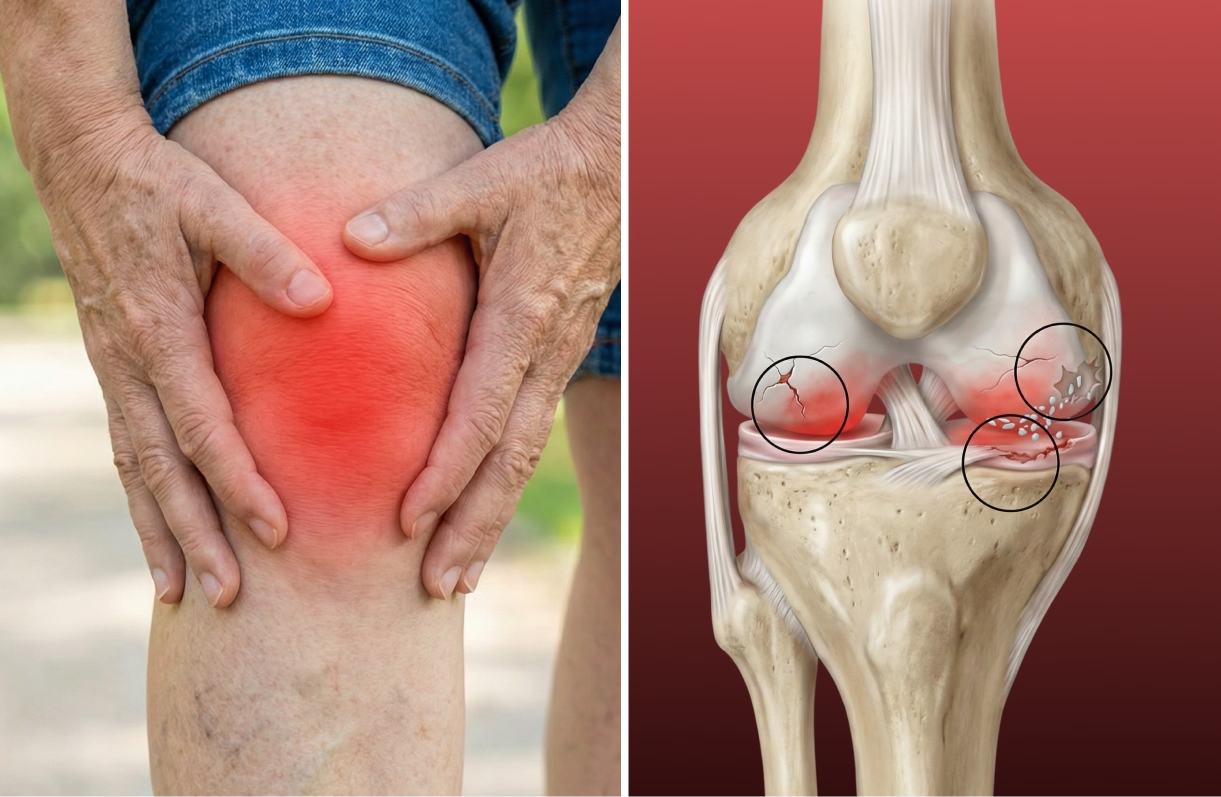
Root Cause 1 — Persistent Inflammation.
When tissue around the knee remains chronically inflamed, blood flow becomes restricted at the capillary level. The joint enters a permanent low-grade injury state — unable to receive the oxygen and nutrients needed for repair, regardless of how much rest you take. No medication addresses this. It manages the symptom. The underlying state continues.
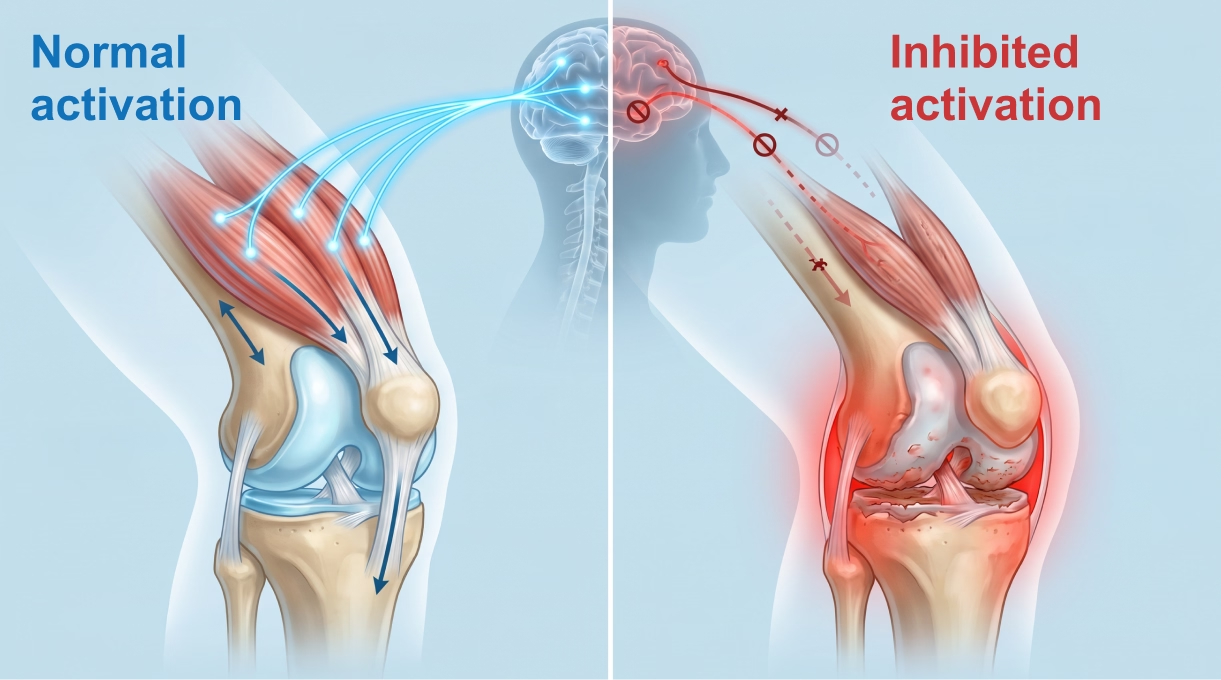
Root Cause 2 — Arthrogenic Muscle Inhibition.
This is the mechanism most patients are never told about. When a joint is in pain, the central nervous system reflexively reduces activation of the surrounding muscles — a protective response designed to reduce load on the injured area. The result: the quadriceps and supporting muscles progressively weaken, removing the structural support the joint depends on and accelerating the grinding that causes bone-on-bone pain. Research published in orthopaedic literature documents this inhibition pattern in the majority of patients with chronic knee pain.* This is why knee braces don’t work long-term. They stabilise without restoring the muscle function that makes stabilisation possible.
Root Cause 3 — Sensitised Pain Pathways.
Chronic pain physically rewires how the nervous system processes signals from the joint. The pain threshold drops. What once registered as mild discomfort now reads as sharp or severe pain — which is why many patients find their symptoms worsening over time even when imaging shows no new structural change.
Surgery replaces the joint. It does not address the inflammation, the muscle inhibition, or the sensitised pain pathways. For the patients who remain in chronic pain after the operation, this is typically the reason.*
That is not a failure of willpower. It’s a failure of the tool being used.
CHECK AVAILABILITY

FLASH SALE IS HERE!
The Protocol I Now Recommend Before Surgery
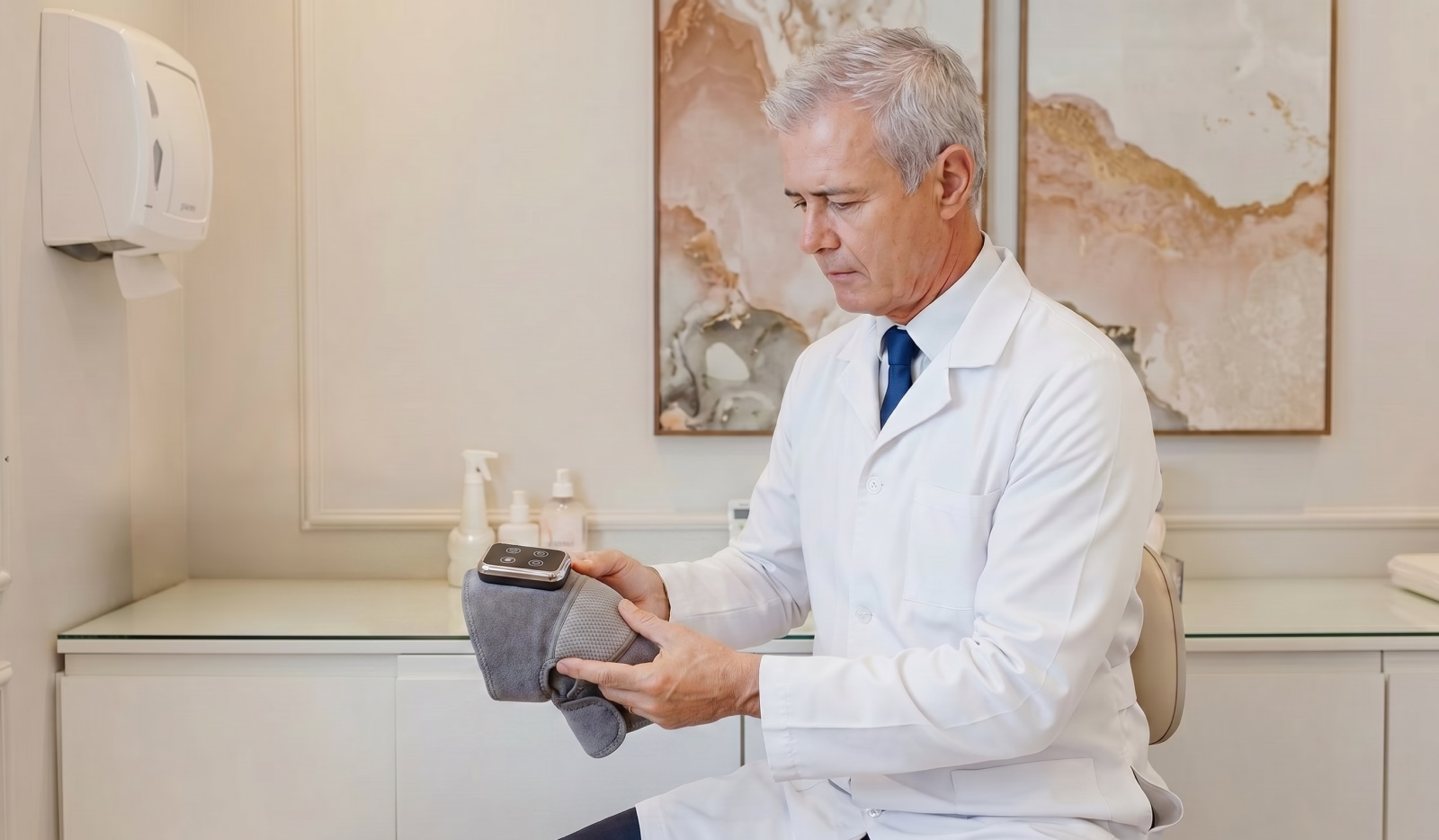
About 18 months ago, a 67-year-old retired schoolteacher came to me — bilateral knee replacement recommended within the year. She had completed physiotherapy, tried every supplement on the market, and worn every brace available. She was exhausted.
I referred her to a home therapy device called EMSense — the first knee device I’ve found that addresses all three root causes simultaneously, in a single 15-minute daily session.
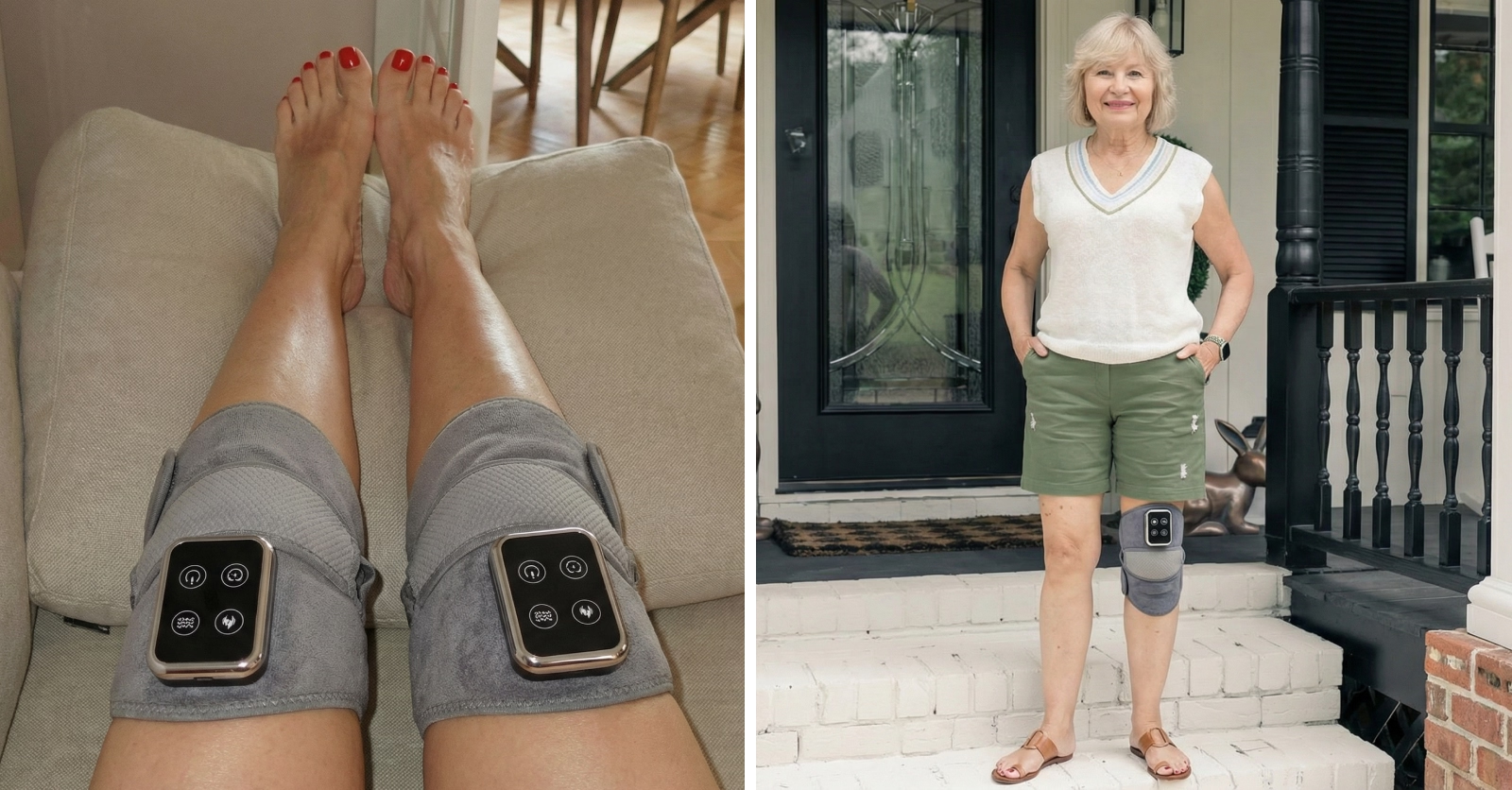
The 3-Phase Restoration Protocol: Three Root Causes. One Device.
EMSense delivers three clinically-backed therapies working together on the knee at the same time:*
Phase 1 — Therapeutic Heat at 40–42°C.
Precision heat at the temperature range used in physiotherapy research to produce meaningful improvements in tissue circulation. At this range, blood vessels in the surrounding tissue dilate, inflamed tissue begins receiving the oxygen and nutrients it has been starved of, and muscle compliance improves significantly. Loose, warm tissue moves more freely. Pain signals reduce.*
Phase 2 — EMS (Electrical Muscle Stimulation) at 50–80Hz.
Targeted electrical pulses at the frequency range used in post-surgical clinical physiotherapy to reactivate atrophied muscle fibres and restore joint stability.* This directly addresses arthrogenic muscle inhibition — the root cause no competing device targets. No consumer knee massager brings clinical-grade EMS to the joint. This is what makes EMSense categorically different from every heat pack, compression sleeve, or standard massager on the market. It is the critical missing piece.
Phase 3 — Adaptive Compression at 2–4 PSI.
Calibrated pressure that stabilises the joint, reduces swelling, and accelerates fluid exchange — working with your movement, not against it.*
Three root causes. Three simultaneous solutions. Miss even one, and you’re addressing only part of the problem. That’s why single-modality devices consistently underdeliver.
Multi-modal rehabilitation combining heat, electrical stimulation, and compression is well-documented across physiotherapy and orthopaedic rehabilitation research as an effective combined approach for chronic joint pain management and post-surgical recovery.* EMSense brings this clinical combination into your home, for the cost of a single session.
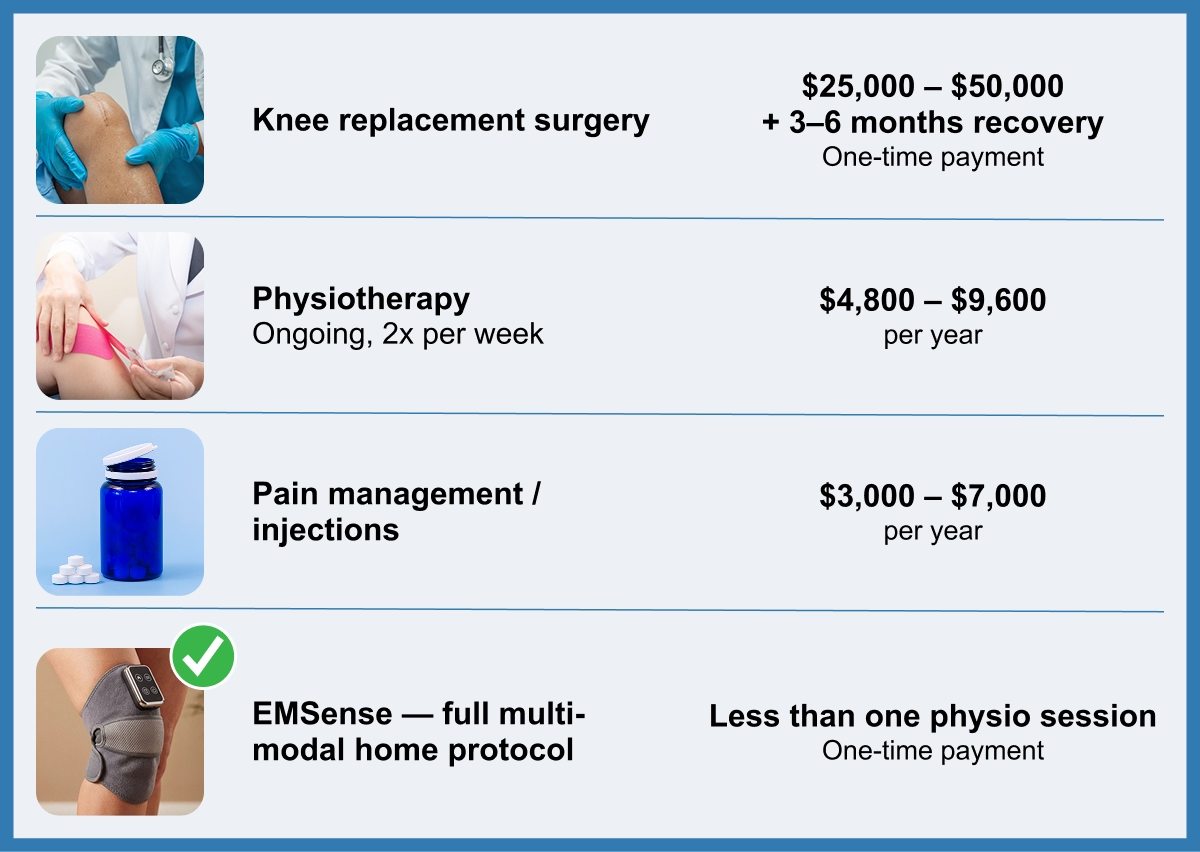
What Surgery Actually Costs vs. What Most People Try First
What My Patients Are Experiencing
My retired schoolteacher used EMSense for 15 minutes each morning. By week two, she was walking to the shops without stopping. At her six-month review, her joint function scores had improved measurably. Her surgery has been deferred indefinitely.
84% of EMSense users report meaningful improvement in knee function and pain levels within 2–3 weeks of daily use* (across 1,257 verified reviews)
“I had my knee replacement scheduled for March. Pre-op consultation paid. Pushed it back after a colleague mentioned EMSense. Six weeks later I cancelled entirely. I can walk to the end of my street and back without stopping now. My surgeon was not pleased. My knees were.”
Sandra H., 63, retired nurse, ⭐⭐⭐⭐⭐
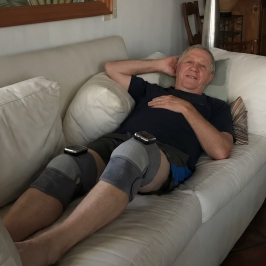
“Couldn’t kneel to play with my grandchildren. Four weeks of EMSense and I’m on the floor building Lego every Sunday. I actually forgot I had bad knees yesterday — first time in three years.”
Paul M., 71, retired engineer, ⭐⭐⭐⭐⭐
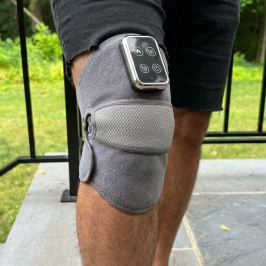
"Bone-on-bone pain made every step miserable — but this device changed that. I wish I had found it sooner."
James R., ⭐⭐⭐⭐⭐
The Choice Ahead of You
If you are over 55, your knees are painful but functional, and surgery has been recommended but isn’t yet urgent — these are your two options.
❌ PATH 1 — PROCEED DIRECTLY TO SURGERY
$25,000–$50,000 and 3–6 months of recovery. A procedure that replaces the joint but does not address the inflammation, the muscle inhibition, or the sensitised pain pathways. A 1-in-4 chance you are still managing chronic pain on the other side.* And the surgery will have been your first option rather than your last.*
✅ PATH 2 — TRY THE PROTOCOL FIRST
15 minutes a day. One device. Addresses all three root causes simultaneously. 60-day money-back guarantee — if it doesn’t meaningfully improve your function and reduce your pain, you pay nothing. The surgery will still be available if it’s needed. For the majority of patients I’ve directed to this protocol, it hasn’t been.*
The risk, genuinely, is low. The potential outcome is avoiding major surgery entirely.
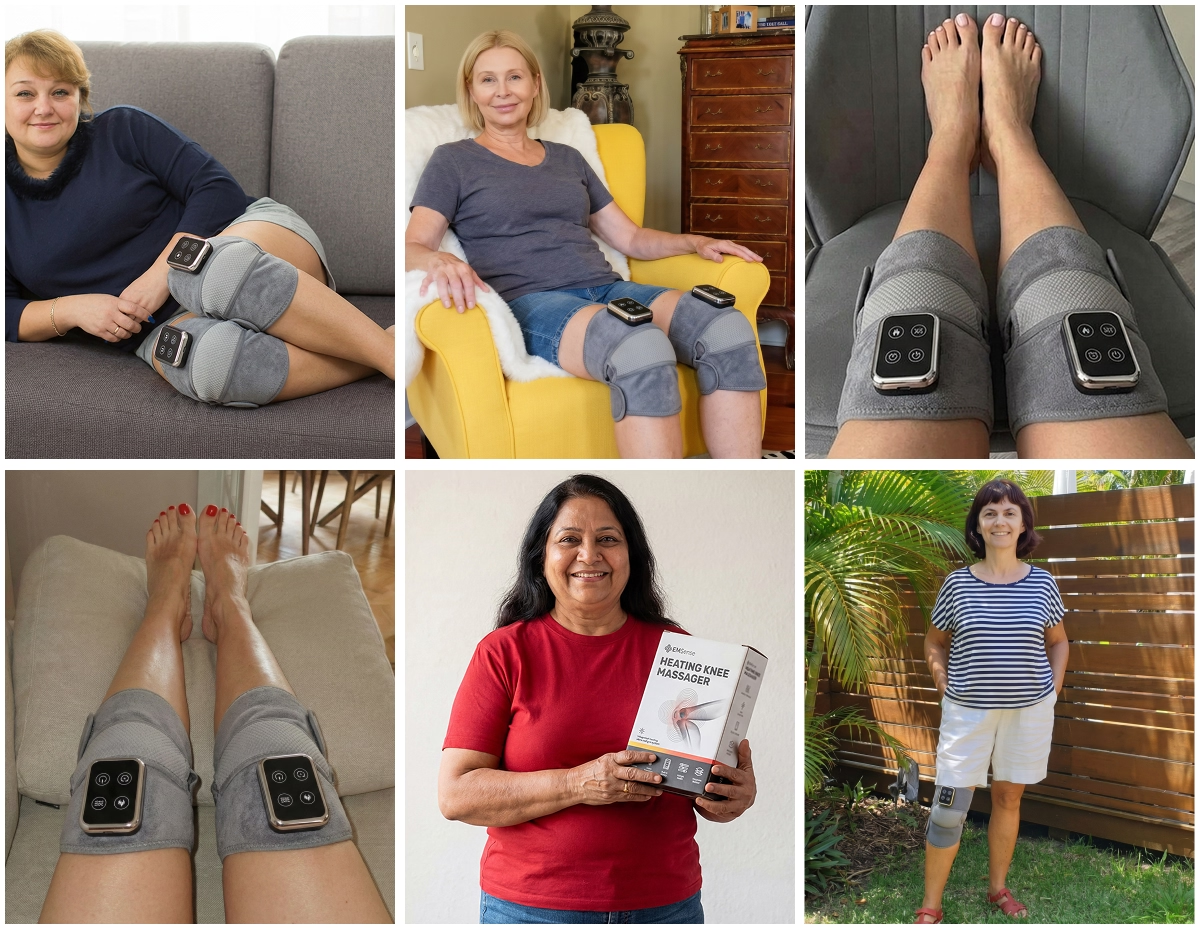
GET EMSENSE 50% OFF NOW
FLASH SALE IS HERE!
Here’s What to Do Now:
- Click the green button below to access our secure checkout page.
- Choose how many EMSense Massagers you want (most people grab 2 or 3).
- Complete your order while supplies last.
GET MY DISCOUNT
FLASH SALE IS HERE!
Don’t Let Pain and Numbness Control Your Life
If you don’t take action now, the problem will likely get worse.
The nerves won’t magically heal on their own - and every day you wait makes recovery harder.
But with EMSense, you have a chance to help speed up the process.*
Imagine getting your mobility, your freedom, and your life back.
All it takes is one small step.

60-Day Money-Back Guarantee. The EMSense team is so confident in their device that every purchase is fully protected. If you don't feel a difference, you pay nothing.
👉 Click below to secure your EMSense Massager with 50% OFF while supplies last!
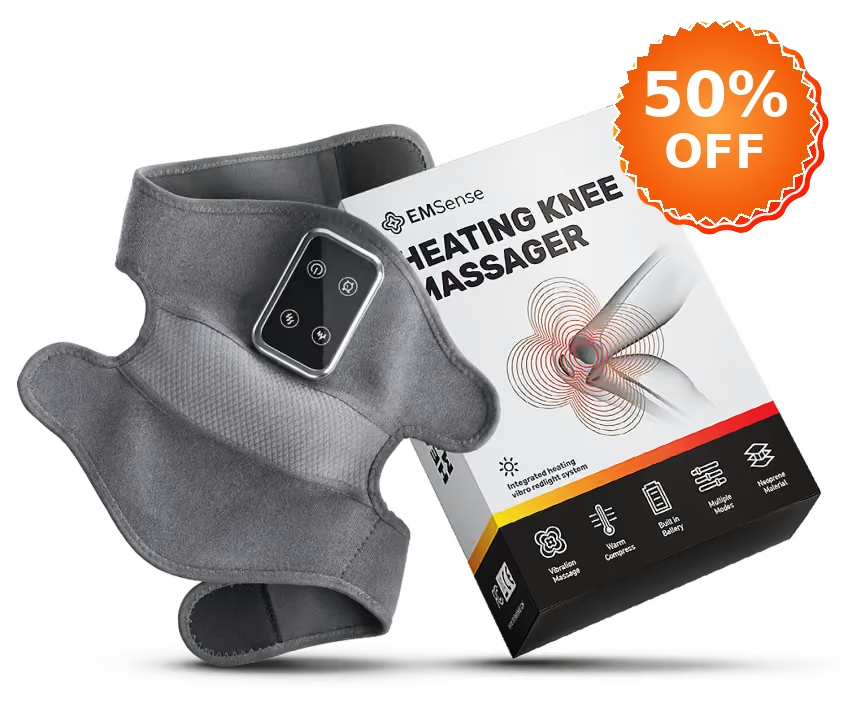
Click below to secure your EMSense Massager with 50% OFF while supplies last!
FLASH SALE IS HERE!
🚨 Sell-out risk: High 🚨




Reference List:
Customer Reviews